
Retrofit | Insulation & Windows
Improving insulation and windows is about more than energy bills. Comfort, health, and carbon reduction are equally valid reasons to act, sometimes as a matter of urgency. A draughty window in the room you live in most is worth fixing before the spare bedroom wall. Damp and mould are genuine health hazards, especially for children and older people; and some of the most effective measures cost nothing at all — opening windows after showering, keeping trickle vents open, making sure extractor fans actually vent to outside.
The critical rule is ‘no insulation without ventilation’. Sealing a home without ensuring moisture can still escape is the most common cause of damp and mould after retrofit work — the opposite of what you set out to achieve.
Insulation is not a pre-requisite for getting a heat pump, but it can be necessarily to deal with moisture and health issues that have persisted and no source of heating on its own can address.
This Buyer’s Guide from NailsworthCAN gives you the tools to find a competent installer, ask the right questions, spot the red flags, and compare quotes on what actually matters — not just the quoted price price (click on image below).

Avoiding trapped moisture
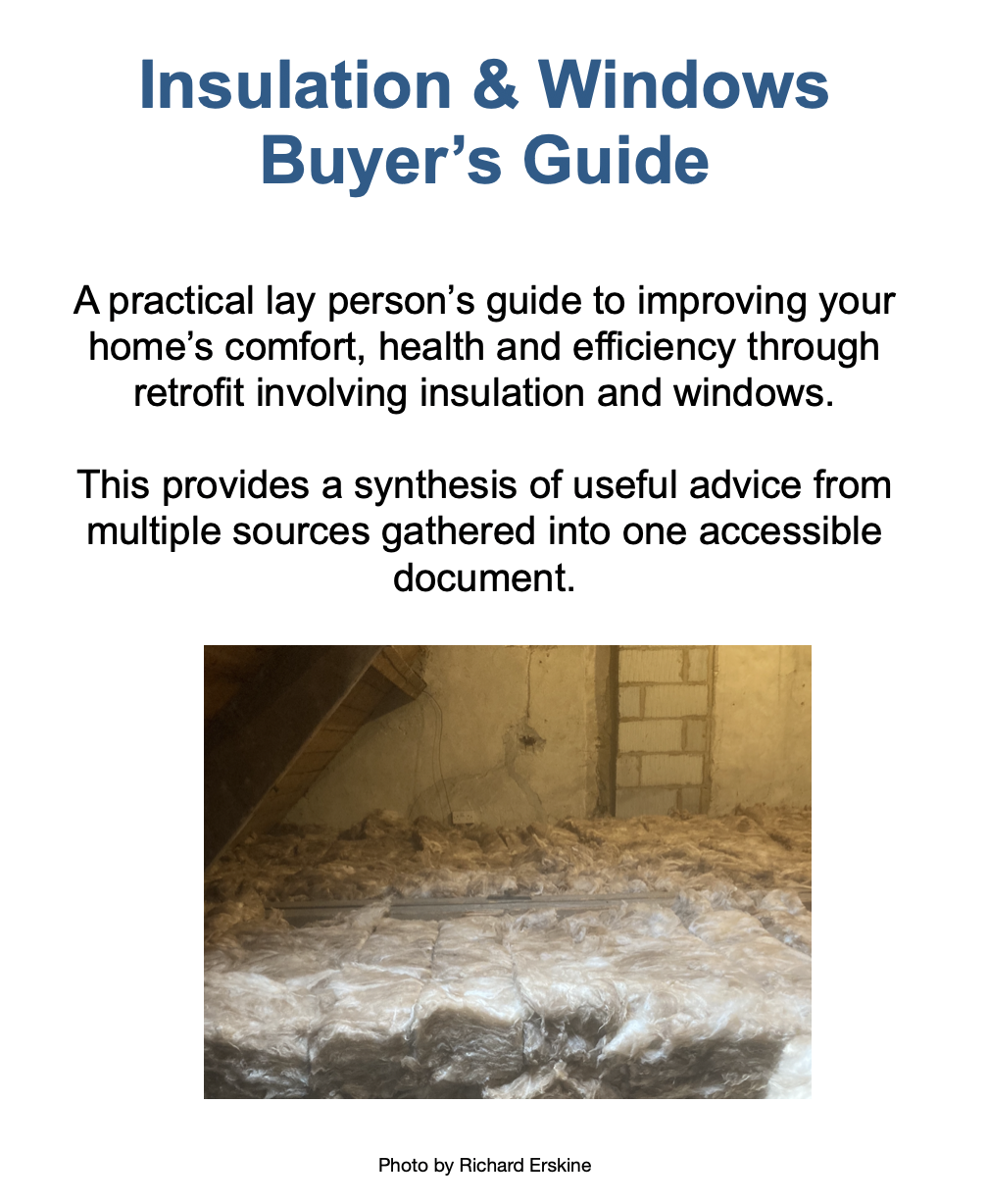
Insulation added as part of a retrofit is designed to reduce heat loss from a building. It can be applied to roofs, walls and floors in the form of heat-trapping materials, such as natural or artificial fleece-like materials in a loft. Depending on the age of a property and the existing fabric, different options may be appropriate, so it is always worth seeking advice. In new builds today, insulation is used in conjunction with a vapour membrane to trap warm air and avoid condensation, but in older properties being retrofitted, it is often advisable to avoid a vapour membrane and use breathable insulation materials, to avoid condensation issues amongst old structures. In all cases, seek advice.
Top 10 tips for insulation
1. Insulating your home reduces heat loss, bills, and carbon footprint, while improving comfort levels.
2. Keep up with general maintenance. Wet walls and poorly maintained mortar will increase your heat loss.
3. Insulating lofts and cavity walls offers great payback.
4. Wall and floor insulation, when possible, offer significant benefits.
5. Older buildings like to breathe, so care is needed in the choice of materials and methods.
6. Don’t forget simple measures to reduce draughts (brushes on sash windows, weather strips for doors).
7. Mechanical ventilation and heat recovery (MVHR) helps prevent condensation problems.
8. Natural materials will have reduced environmental impact.
9. Phase the work. Include retrofit in routine planned upgrades (e.g. new kitchens).
10. Seek advice from local architects and specialists in retrofit. Energy Saving Trust, Severn Wye Energy Agency, the Association of Environmentally Conscious Builders, provide useful resources. The PAS 2035 standard for Retrofit Assessors will be increasingly important.
